

What Puts Buyers Off a House? A Chingford Estate Agent Tells It Straight
After showing buyers around homes for more years than I care to count, I’ve seen first-hand what genuinely helps a sale — and what can put buyers off before they’ve even made an offer.
1. Getting the Asking Price Wrong
Every homeowner wants the best possible price for their property. Quite right too.
The problem starts when “the best possible price” becomes “the biggest number we can put on Rightmove and see what happens”.
Usually, what happens is not very much.
Today’s buyers have access to an enormous amount of information. They can see similar properties, previous sale prices, reductions and how long homes have been sitting on the market.
If your house is noticeably more expensive than everything around it, buyers don’t necessarily think:
“That must be a particularly wonderful house.”
They often think:
“That’s expensive.”
And move on.
A sensible asking price doesn’t mean giving your property away. It means positioning it so that enough buyers are interested to create competition.
I’d much rather have three buyers wanting the same house than one buyer wondering why nobody else wants it.
2. A Bad First Impression
The garden, driveway, paintwork, windows and general appearance of the property all contribute to that first impression.
You don’t need to recreate Hampton Court. But cutting the grass, getting rid of the weeds, moving the bins and removing three broken plant pots you’ve been meaning to throw away since 2019 can make a surprisingly big difference.
If the front of a property looks neglected, buyers immediately start wondering what else has been neglected.
That’s not always fair.
But house buying isn’t entirely rational.
People buy with their eyes and their emotions as much as they do with a calculator.
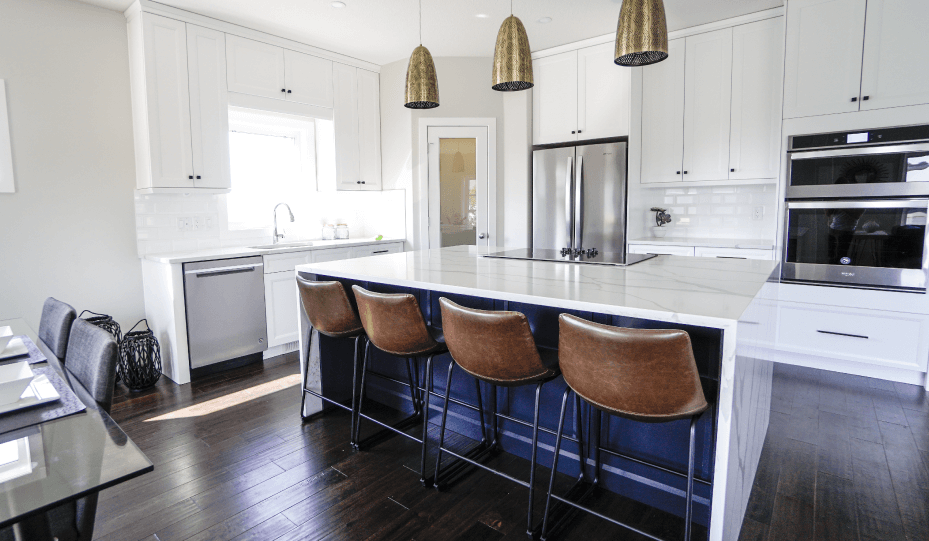
3. Too Much Stuff
You don’t.
A home should still feel like a home, but buyers do need to be able to see it.
If they can’t see how large the lounge is because it’s full of furniture, or they can’t open the spare bedroom door without moving an exercise bike, seven coats and an ironing board, you’re making their job harder.
The same applies to worktops, you don’t need to remove the kettle. However, you probably don’t need seventeen appliances on display either.
The aim isn’t to make your home sterile. It’s simply to give buyers enough space to imagine themselves living there.

4. Smells. Yes, Really.
This one is awkward, because people become used to the smell of their own homes.
Pets, cigarette smoke, damp, strong cooking smells and even some air fresheners can be extremely noticeable to somebody walking into a property for the first time.
And smell is incredibly powerful.
A buyer might forget exactly what colour your bathroom was.
They won’t forget that the house smelled damp.
Open some windows before viewings, keep pet areas clean and deal with the source of any persistent smells rather than attempting to defeat them with half a can of air freshener.
Otherwise, instead of smelling like a dog, your house just smells like a dog in a tropical rainforest.
5. DIY That Looks Like DIY
Buyers notice unfinished decorating, badly fitted flooring, loose handles, cracked tiles and bits of trim that were clearly supposed to be finished at some point.
One little job won’t stop somebody buying your house.
Ten little jobs can start to create the impression that there’s a lot more work waiting for them.
Before going onto the market, walk around the house and finish the jobs you’ve become blind to.
That door handle you’ve been meaning to tighten for two years?
Today’s the day.
6. Spending a Fortune Just Before Selling
This is where I’d always suggest speaking to an estate agent before reaching for your credit card.
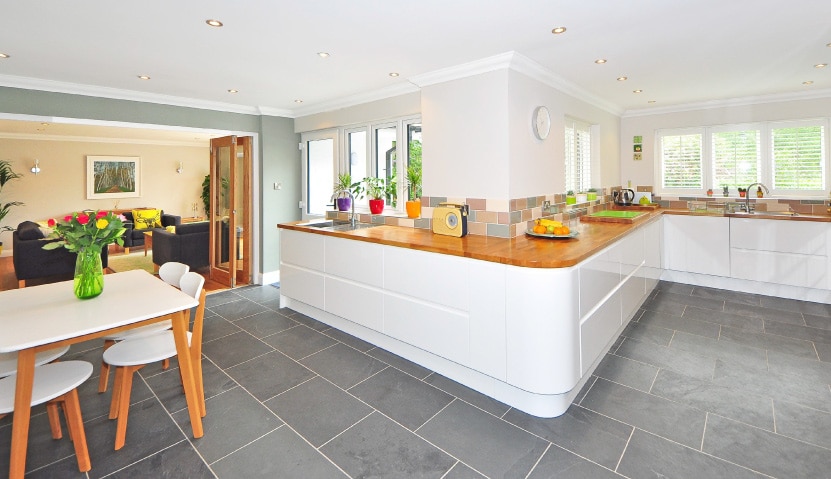
Sellers sometimes assume they need a new kitchen, new bathroom, new flooring or major decorating work before putting the property on the market.
Sometimes that makes sense.
Sometimes it absolutely doesn’t.
You might spend £15,000 installing the kitchen of your dreams only for the buyer to walk in and decide they’d prefer a different one, so, before carrying out expensive work, get some advice.
There are often relatively inexpensive improvements that make a much bigger difference to presentation.
And if I’m valuing your property, I’d rather tell you that before you’ve ordered twenty square metres of Italian tiles.
7. Trying to Hide Problems
Buyers aren’t stupid.
Neither are surveyors.
A strategically positioned plant isn’t going to make serious damp disappear.
If there’s something that needs addressing, either deal with it properly or be prepared to explain it.
Honesty creates confidence.
The moment a buyer thinks something is being hidden, they start looking much harder for everything else that might be wrong.
8. Sellers Following Buyers Around the House
But buyers need space.
They need to open cupboards, stand in rooms, look through windows and occasionally quietly discuss whether they can live with your wallpaper.
It’s very difficult to do that when the homeowner is three feet behind them explaining where every radiator came from.
Buyers are also much more likely to give honest feedback to an estate agent when the seller isn’t present.
And honest feedback is useful.
Even when you don’t particularly like it.
9. Poor Property Photography
They’re the first viewing.
Dark rooms, strange camera angles, cluttered surfaces and photographs taken on somebody’s phone while standing in the doorway aren’t going to help.
Good photography should show the property accurately while presenting it at its best.
That doesn’t mean making rooms look twice their real size.
There’s little point making a bedroom appear enormous online only for buyers to walk through the door and wonder where the other half went.
Good marketing gets buyers through the door.
Good estate agency then turns that interest into offers.
10. Forgetting That Chingford Isn’t One Property Market
One of the reasons online house price figures need treating with a little caution is that Chingford isn’t one uniform property market.
Different roads, property styles and parts of the area appeal to different buyers.
Proximity to Chingford station matters to some people.
Being close to Epping Forest matters enormously to others.
Schools, parking, gardens, transport links, house style and even which side of a particular road you’re on can influence demand.
Two apparently similar houses can therefore attract quite different levels of interest.
That’s where genuine local knowledge matters.
You need to understand not only what has sold, but why it sold and who is likely to buy yours.
11. Choosing an Estate Agent Based Purely on the Highest Valuation
But somebody needs to say it.
If three estate agents value your house at £600,000 and another one says £700,000, that doesn’t automatically mean the fourth estate agent knows something the others don’t.
Sometimes sellers understandably choose the highest figure.
Then, several months and two price reductions later, the property ends up roughly where it should have started.
When you’re choosing an estate agent, ask them to explain their valuation.
- What comparable properties have sold?
- What’s currently competing with yours?
- Who is the likely buyer?
- What’s the marketing strategy?
A valuation should be supported by evidence rather than optimism.
So, What Should You Do Before Selling?
Finish the obvious little jobs and create some space.
Make sure the outside looks cared for.
And most importantly, get sensible advice before you start spending thousands of pounds changing things that a buyer may immediately change again.
Selling a house doesn’t have to involve completely redesigning your home.
Quite often, the biggest improvements come from doing the basics properly.
Thinking About Selling a House in Chingford?
If you’re considering selling a house in Chingford, feel free to get me round before you start ripping kitchens out, replacing every carpet or painting the entire house grey because somebody on the internet said buyers like it.
I’ll give you an honest view of the property, what I think it’s worth, what I’d change before marketing it and — equally importantly — what I’d leave alone.
You might not always hear exactly what you expected.
But you’ll get a straight answer.Tim King
Tim King Estate Agents,
Chingford.

About the Author
Known for his straightforward advice, local knowledge and hands-on approach, Tim has built much of his business through recommendations and referrals from clients who value a more personal way of buying and selling property.